Effective communication
Practical, learnable structures for saying the hard thing so it lands. This is where most couples find the biggest immediate difference — and it's the skill everything else depends on.
HPCSA Registered Counsellor · Online across South Africa
Most couples plan the wedding in far more detail than the marriage. This is the part where you plan the marriage.
Seven sessions, built around what your relationship specifically needs — not a fixed curriculum everyone gets. Online, in Afrikaans or English, anywhere in South Africa. Or do the same foundation over four days at the retreat.
Your first session is free. Both of you attend. No commitment to a second.
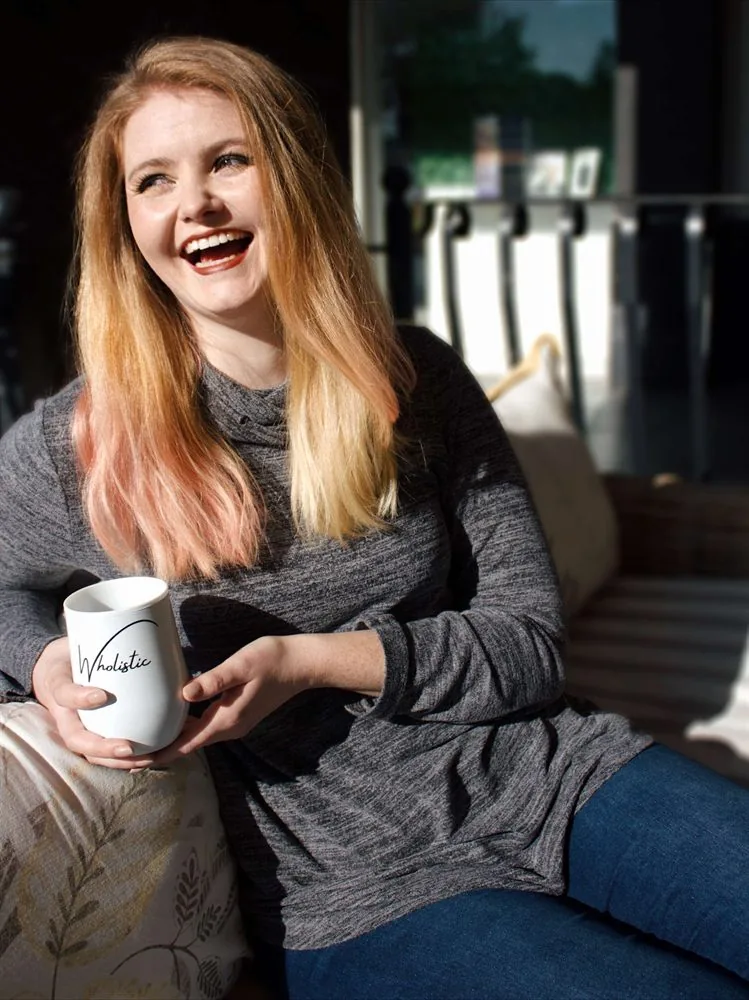
You don't need a problem to be here. That's rather the point.
Premarital counselling isn't for couples in trouble. It's for couples who'd rather have the difficult conversations now, with someone in the room, than for the first time in year three at eleven at night.
You might be here because:
Coming here doesn't mean you're worried. It usually means you're taking this seriously.
How I work
Built around your relationship, not around a fixed curriculum.
No two couples arrive needing the same things. Some of you have finances and future direction completely sorted, but fall apart the moment a conversation gets tense. Others communicate beautifully and have never once discussed what happens when one of you wants to move cities.
So after our first session, each of you completes a detailed questionnaire on your own — your vision for the marriage, what you want, what you need, where you assume you already agree.
I compare your answers side by side. What that shows is the gap between what each of you thinks you've agreed on and what you've actually agreed on — and that gap is where the real work is. From it, I build a premarital plan specific to the two of you.
You still get the full foundation. But we spend the time where your relationship actually needs it, instead of moving through a checklist at the same pace regardless.

I'm not here to decide whether you should get married. I'm here to make sure you're both saying yes to the same marriage.
The work
These are the foundations. How much time each one gets depends on what your questionnaires show.
Practical, learnable structures for saying the hard thing so it lands. This is where most couples find the biggest immediate difference — and it's the skill everything else depends on.
What each of you actually pictures when you imagine your life in ten years. Where you live, what work looks like, how much time you spend with family, what you're each working towards. Couples are often surprised how differently they've been imagining the same future.
Not whether you agree on everything — you won't. Where you genuinely differ, which of those differences are negotiable, and which are roots that don't move.
If children are part of the plan: how many, when, and much more importantly, how. How you were each raised, what you'd repeat, what you'd never repeat, and how you'll handle it when you disagree in the moment with a child watching.
Every couple fights. What separates the marriages that last is what happens in the hours after. This is the single most useful skill in this course and almost nobody is taught it.
The unspoken picture each of you carries of what a husband or a wife does — absorbed from your family long before you met each other. We bring it into the open and check whether it's realistic, mutually agreed, and something you can both actually live with.
Each of you maps a family genogram — a family tree that also plots emotional dynamics, conflict, closeness, distance and recurring patterns across generations. It's usually the session couples remember longest, because it makes visible how much you inherited without choosing it.
We go through the reasons marriages most commonly fail, you each rank them honestly for your own relationship, and we build a practical plan around the ones you flag.
The structure
Every couple moves through all seven. Your plan determines the depth and pace of each.
| Session | Focus | What happens |
|---|---|---|
| 1 | The Foundation | Getting to know you both properly — communication patterns, unconscious habits, triggers. Before this session you'll each complete short questionnaires on love languages, attachment style, personality and values. |
| 2 | Healthy Communication | IMAGO Dialogue: a structured method that slows conversation down enough for both of you to be genuinely heard. You'll practise it on a small, real frustration. |
| 3 | Marital Roles & Expectations | What "a good partner" means to each of you, where that definition came from, and whether the two of you can actually live up to each other's version. |
| 4 | Breaking Familial Patterns | Working from your family genograms: the recurring patterns, the childhood experiences, the triggers that still run underneath your reactions today. |
| 5 | Healthy Conflict | How to fight well. I-statements, calling a pause, expanding your emotional vocabulary, collaborative problem-solving. |
| 6 | Avoiding Marital Breakdown | The difficult conversations, the most common causes of divorce, and a practical action plan for the ones most relevant to you. |
| 7 | Tying Up Loose Ends | Reflection on the whole course, anything still unresolved, and an honest conversation about whether ongoing couples counselling would be useful. |
Each session has preparation. Not homework for its own sake — the preparation is what makes the session itself go somewhere. Most of it takes twenty minutes, and quite a few couples say those twenty minutes started the best conversations they'd had in months.
A common question
This isn't a replacement. It's the other half.
If your church requires premarital counselling, keep doing it. It matters, and for many couples it's a meaningful part of preparing to marry.
But be honest about what it usually is. For a lot of couples it's a requirement to tick off before the wedding, covering faith and the spiritual foundation of marriage at a fairly general level. That's valuable, and it's not the same thing as this.
What I do is psychological and functional. How the two of you actually communicate under stress. What each of you inherited from the family you grew up in. Where your expectations quietly differ. What happens in your relationship in the hours after a fight. How you'll parent when you disagree in front of a child.
Your church prepares you for the covenant. I prepare you for the Tuesday nights. Couples who do both are better prepared than couples who do either.
What underpins this
The clinical foundation underneath this course is drawn from established, evidence-based approaches.
A structured conversational method — sender and receiver, mirror, validate, empathise — that creates enough safety for both people to be heard without defensiveness. You learn it in Session 2 and use it for the rest of your marriage.
The underlying model of what makes marriages last comes from Dr John Gottman's longitudinal research at the University of Washington, which tracked couples over decades and identified the specific interaction patterns that predict stability or separation.
A family-systems tool that maps not just who's in your family but how they relate — closeness, distance, conflict, cut-off, and the patterns that repeat across generations.
For the assumptions running underneath the arguments. What you tell yourself about your partner's behaviour usually matters more than the behaviour did.
Neither of you gets sorted into a type. You're the experts on your own relationship; my job is a space where you can both be honest without being judged for it.
For what genuinely won't change. Building a marriage around your actual values and your actual partner, rather than around the version you'd hoped for.
As a Registered Counsellor, I do not diagnose or treat mental health disorders. The questionnaires used in this course are reflective tools to guide conversation, not clinical assessments or psychometric tests.
What to expect
Seven sessions of 60 minutes, online, both of you together.
Both of you attend. We talk about where you are, what you're hoping to build, and whether this feels like the right fit. No payment, no obligation.
Each of you completes a detailed questionnaire separately. Honestly, and without comparing notes — the value is in what each of you says when the other isn't reading over your shoulder.
I compare your answers and build a plan around what your relationship specifically needs. You'll see it and we'll talk it through.
Working through the foundation, with preparation between each one and something practical to take away every time.

I'm based in Mbombela, Mpumalanga, and work online with couples across South Africa — including couples planning a wedding here from abroad.
Sessions run on a video call. For couples living in different cities before the wedding, that's often what makes doing this together possible at all.
If you're searching for marriage or premarital counselling in Nelspruit, Mbombela or anywhere else in Mpumalanga, sessions are entirely online — so there's no office to drive to and no waiting room. Just you, your partner, and a video call at a time that works for both of you.
Or do it all in one stretch
There are two ways to do this. Seven weekly sessions online, or the same foundation over four days away — a pre-wedding honeymoon where the only thing on the agenda is the marriage you're about to start.
No phones, no logistics, no driving home in between. Just the two of you, a private lodge in the bush, and uninterrupted time to do the work most couples only get to years too late.
Either one prepares you for marriage. Couples who do both get the most intensive preparation available, with room to go deeper on everything.
See the retreatFrom couples I've worked with
"As my fiancé and I prepare for our wedding in June, it has always been important for us to be as prepared as we can for the marriage. Our first session with Sumarie was wonderful and she actively listened throughout our session. As much as it was a session to get to know one another, there was so much that came out of the hour. My partner and I look forward to an exciting journey ahead, with the support and guidance from Sumarie."
"From the first session my Partner and I had Sumi welcomed us. Sumi always engaged, managed the session well and provided very valuable insight as to where we had challenges etc. She took the time to explain when we had questions and often provided more info. My Partner and I look forward to our sessions with Sumi!!"
"Sumarie is a fantastic counsellor who is very patient and friendly. She explains everything clearly and brings good insight into problems. I would definitely recommend her to anyone who wants couples counselling. Every session is helpful and you get a new perspective on the situation."
Free downloads
Conversations you can start before your first session.
Free guides and worksheets for couples preparing to marry — conversation prompts, communication tools, and questions worth asking each other well before the wedding.
Browse the Free Couples ResourcesEk doen sessies in Afrikaans of Engels — net soos julle die gemaklikste voel.
Voorhuwelikse berading, paarberading en huweliksberading, alles aanlyn, oral in Suid-Afrika. Julle eerste sessie is gratis.
Questions
Rates vary between practitioners and provinces. Online sessions here are R700 per couple, and your first session is free for both of you with no obligation to continue. If your income doesn't stretch to the full rate, message me on WhatsApp to ask about sliding scale pricing — every situation is considered individually.
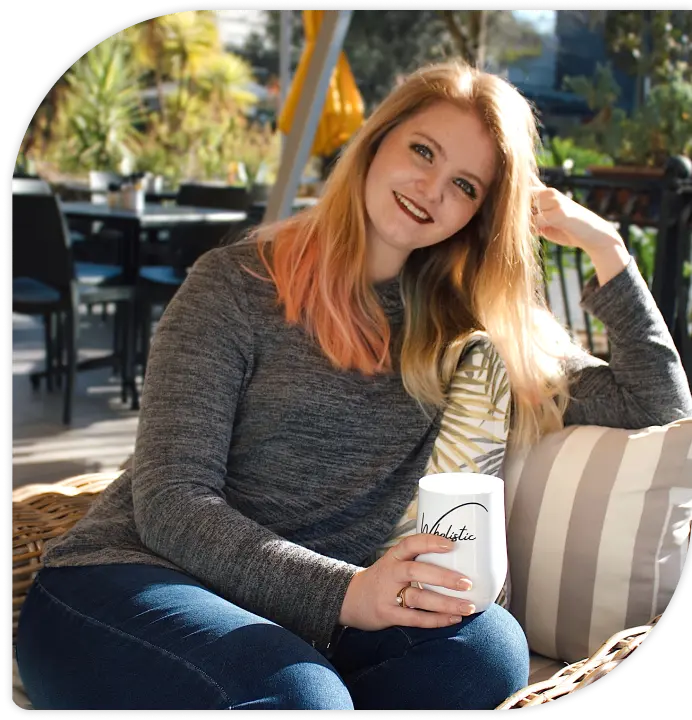
About the counsellor
I'm an HPCSA Registered Counsellor in private practice in Mbombela, Mpumalanga. Premarital counselling is the heart of my practice — I work with engaged couples across South Africa, in Afrikaans and English, and I run the Wholistic Premarital Couples Retreat.
Page last reviewed: September 2026
Get started
Both of you, sixty minutes, online, no cost and no commitment. Pick a time below.
Trouble with the calendar? Open the full booking page.
Working through something in an existing relationship instead? Couples & marriage counselling is the page for that.